
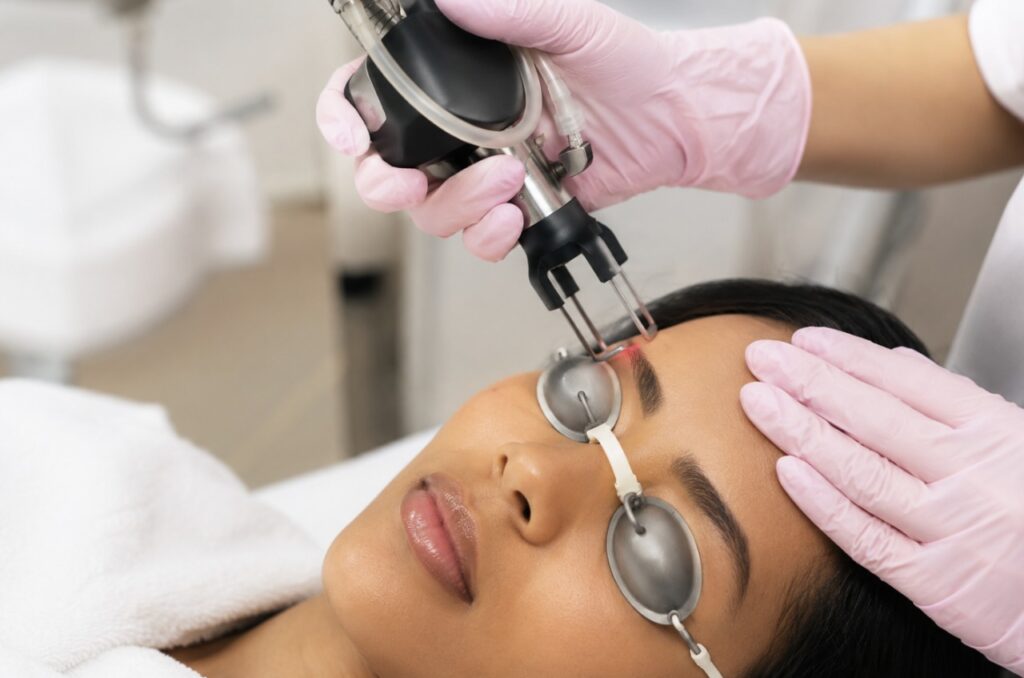
Skin changes can happen gradually. A few fine lines become more noticeable, acne scars seem harder to hide, and years of Arizona sun exposure can leave skin looking rough, uneven, or tired. When skincare products stop delivering the improvements you’re hoping for, it may be time to consider a treatment that works deeper within the skin.
CO2 laser resurfacing is one of the most advanced laser skin resurfacing treatments available to improve skin texture, reduce visible signs of aging, and support long-term collagen production. At CurateMD Skin Bar & Wellness Clinic in Chandler, AZ, we believe patients deserve clear information, realistic expectations, and personalized treatment plans that fit their goals and lifestyle.
What You’ll Learn From This Article
- How CO2 laser resurfacing works and why it remains a popular cosmetic procedure
- Which skin concerns may improve with treatment
- What recovery typically looks like from week to month
- Important safety considerations for different skin types and skin tones
- How CO2 laser treatment compares to other skin resurfacing options
- What to expect when discussing treatment with the CurateMD team
Why Skin Resurfacing Matters in Chandler, AZ
Living in Chandler means enjoying sunshine for much of the year. Unfortunately, frequent sun exposure can contribute to wrinkles, uneven pigmentation, rough skin texture, and collagen breakdown over time.
Many people notice these changes despite maintaining a consistent skincare routine. Medical-grade products can support skin health, but some concerns develop deeper within the skin’s layers, where topical products have limited impact.
CO2 laser resurfacing addresses both surface damage and deeper structural changes by removing damaged skin and stimulating the body’s natural healing response. This combination makes it a popular option for individuals seeking smoother skin, improved texture, and a refreshed appearance without surgery.
To understand why the treatment can be so effective, it helps to first understand how carbon dioxide laser technology works.
What Is CO2 Laser Resurfacing?
CO2 stands for carbon dioxide. A carbon dioxide laser is an ablative laser that removes controlled portions of damaged skin while delivering thermal energy into deeper tissue.
According to an NCBI review on laser resurfacing, carbon dioxide laser resurfacing has long been used to address photoaging, wrinkles, acne scars, and other cosmetic skin concerns by inducing controlled tissue removal and collagen remodeling.
Understanding Ablative Laser Resurfacing
Ablative laser resurfacing works by removing thin layers of damaged skin. As the treated area heals, new skin replaces older tissue, often resulting in a smoother texture and improved skin quality.
Ablative laser treatment is designed to work at a deeper level, making it a strong option for skin concerns tied to texture, collagen changes, and visible aging.
This is why CO2 laser resurfacing may be recommended when the goal is more advanced skin renewal beyond daily skincare maintenance.
Fractional CO2 Laser Treatment vs Traditional Resurfacing
Modern fractional CO2 laser technology has improved the way laser resurfacing is performed.
Rather than treating the entire skin surface, a fractional laser creates microscopic treatment zones surrounded by healthy tissue. This fractionated CO2 approach allows untreated areas to assist with healing while still producing significant skin remodeling.
Potential benefits include:
- More precise control
- Greater treatment customization
- Faster healing compared to older full-field techniques
- Improved collagen stimulation
- Reduced recovery compared to traditional carbon dioxide laser resurfacing
As technology has evolved, providers have gained more flexibility in tailoring treatments to individual skin concerns.
How CO2 Laser Treatment Works on the Skin
One reason CO2 laser technology remains widely used is its ability to address both visible skin damage and underlying structural changes.
Controlled Removal of Damaged Skin
During treatment, the laser beam targets water within skin tissue. The energy vaporizes damaged cells in a controlled manner, removing rough or sun-damaged skin while creating microscopic treatment channels.
This controlled injury stimulates the body’s natural repair process and encourages healthy skin renewal.
Collagen Production and Skin Renewal
The benefits of treatment continue well after the laser procedure is complete.
As healing occurs, the body produces new collagen. Research examining fractional CO2 laser resurfacing has shown improvements in collagen remodeling, skin texture, and overall skin quality following treatment.
Collagen is an important structural protein that contributes to skin firmness and elasticity. As collagen production increases, many patients notice gradual improvements in skin smoothness and texture over several months.
Why Laser Settings Must Be Personalized
No two patients have identical skin concerns.
Treatment settings are influenced by factors such as:
- Skin type
- Skin color
- Degree of sun damage
- Acne scarring severity
- Treatment area
- Recovery preferences
- Previous cosmetic procedures
Personalized settings help balance safety, effectiveness, and recovery expectations.
Once the mechanism is understood, the next step is looking at the specific concerns that CO2 laser skin resurfacing may improve.
CurateMD can also discuss whether a Tetra CO2 / CoolPeel-style treatment is appropriate based on your skin type, concerns, and preferred recovery time.
What Concerns Can CO2 Laser Skin Resurfacing Help Improve?
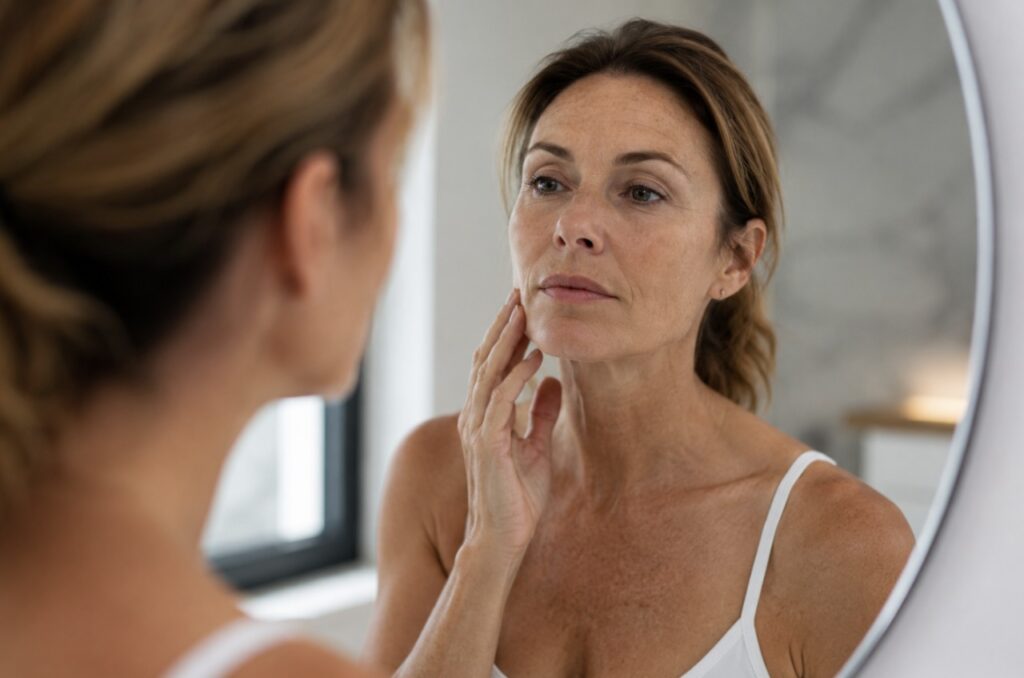
CO2 laser skin resurfacing is commonly used to address multiple cosmetic concerns with a single treatment.
Wrinkles and Fine Lines
Fine lines and wrinkles often develop as collagen production naturally declines with age.
Carbon dioxide laser resurfacing can help soften the appearance of facial wrinkles by removing damaged tissue and encouraging collagen remodeling beneath the skin.
Sun Damage and Rough Skin Texture
Years of UV exposure can contribute to:
- Rough skin
- Uneven texture
- Fine lines
- Pigmentation changes
- Dull appearance
Facial laser resurfacing can help improve these visible signs of sun damage by replacing damaged surface layers with healthier new skin.
Acne Scarring and Uneven Skin
Acne scars often extend below the skin surface, making them difficult to treat with topical products alone.
Several studies evaluating fractional CO2 laser treatment have demonstrated improvement in acne scarring and skin texture through collagen remodeling and tissue restructuring.
While many patients experience noticeable improvement, complete scar removal should not be expected. Results vary based on scar type, depth, and individual healing response.
Overall Skin Quality
Many patients pursue resurfacing treatment to achieve healthier-looking skin overall.
Treatment may help improve:
- Skin texture
- Surface smoothness
- Skin clarity
- Mild pigmentation concerns
- Overall skin appearance
Different concerns require different treatment approaches, which is why comparing available options can be helpful.
CO2 Laser Resurfacing vs Other Skin Treatments
Several skin treatments may improve texture, tone, and visible aging. The best option depends on your goals, skin condition, and tolerance for downtime.
| Treatment | Best For | Typical Downtime | Key Consideration |
| CO2 Laser Resurfacing | Wrinkles, acne scarring, and significant sun damage | Moderate to higher | Strong resurfacing and collagen stimulation |
| Erbium Laser | Moderate texture concerns | Moderate | Often used for more superficial resurfacing |
| RF Microneedling | Mild skin tightening and texture concerns | Mild to moderate | Less surface injury |
| Chemical Peel | Pigmentation and mild texture issues | Mild to moderate | Multiple strengths available |
| Medical-Grade Skin Care | Prevention and maintenance | None | Supports long-term skin health |
Patients wanting a lighter refresh may ask about minimal-downtime CO2 laser options such as CoolPeel.
At CurateMD, treatment recommendations are based on individual goals rather than a one-size-fits-all approach.
The next step is determining whether CO2 laser resurfacing is a good fit for your skin.
Who May Be a Good Candidate for CO2 Laser Resurfacing?
Not everyone is an ideal candidate for ablative laser resurfacing.
Skin Type and Skin Tone Considerations
Skin type and skin color influence treatment planning.
Patients with darker skin tones may have a greater risk of post-inflammatory hyperpigmentation after laser treatment. Careful assessment, customized laser settings, and detailed aftercare instructions are especially important for these individuals.
Recent literature has highlighted strategies for improving outcomes across a broader range of skin tones through individualized treatment planning.
Health History and Medication Review
Before treatment, providers typically review:
- Current medications
- Previous cosmetic procedures
- Active acne
- History of herpes simplex outbreaks
- Recent sun exposure
- Skin healing history
Patients with a history of herpes may require antiviral medication before treatment to reduce the risk of reactivation.
When Treatment May Need to Wait
Treatment may be delayed if a patient has:
- Active skin infection
- Active acne flare
- Recent excessive sun exposure
- Certain inflammatory skin conditions
- Medical concerns that may impair healing
A thorough consultation helps identify these factors before treatment begins.
For patients who are good candidates, understanding the treatment experience can make planning easier.
What to Expect Before, During, and After the Laser Procedure
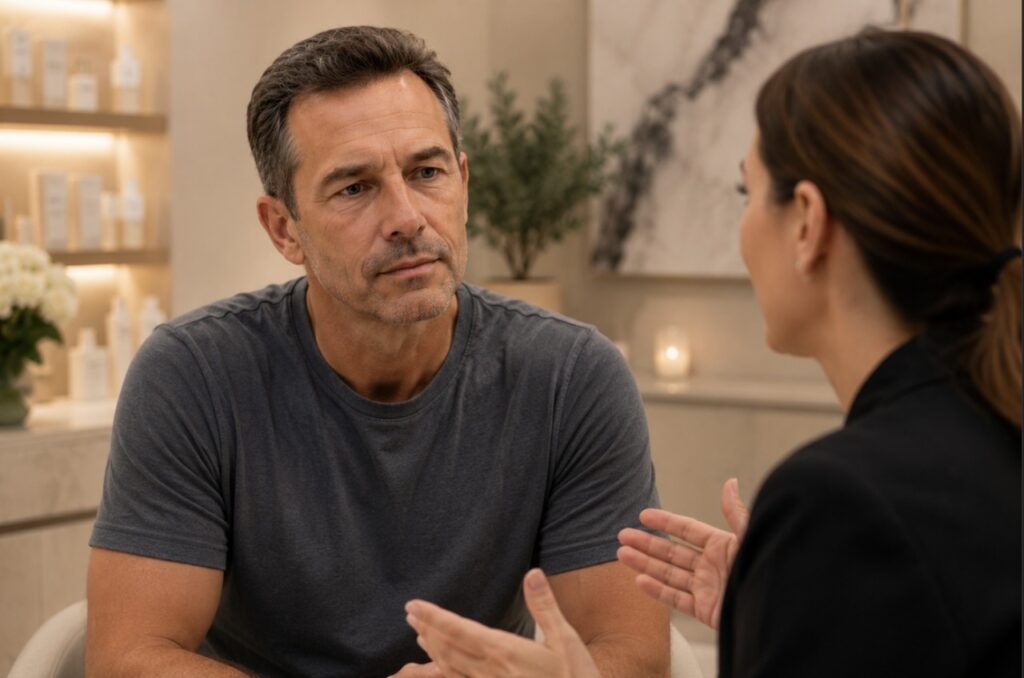
Knowing what to expect often helps patients feel more comfortable moving forward.
Before Treatment
Preparation may include:
- Avoiding excessive sun exposure
- Wearing sunscreen consistently
- Adjusting certain skincare products
- Reviewing medications
- Discussing antiviral medication if appropriate
During the Laser Procedure
The treatment area is cleansed before the procedure begins.
Depending on the treatment plan, topical anesthesia or local anesthetic may be used to improve comfort. Protective eye shields are worn throughout treatment.
Procedure time varies depending on the size of the treatment area.
First Week of Recovery
Recovery commonly includes:
- Redness
- Swelling
- Tightness
- Peeling
- Skin sensitivity
Patients are often instructed to use a healing ointment, keep treated skin moisturized, and avoid picking or peeling.
According to laser resurfacing guidance published through NCBI, re-epithelialization often occurs within approximately 7 to 10 days, although healing timelines vary.
Longer Healing and Skin Care Maintenance
As healing progresses, skin protection becomes increasingly important.
Most patients are advised to:
- Wear sunscreen daily
- Avoid unnecessary sun exposure
- Follow the provider-recommended skin care
- Attend follow-up visits as needed
While the initial healing period is relatively short, collagen remodeling continues for months.
CO2 Laser Resurfacing Recovery Time and Results Timeline
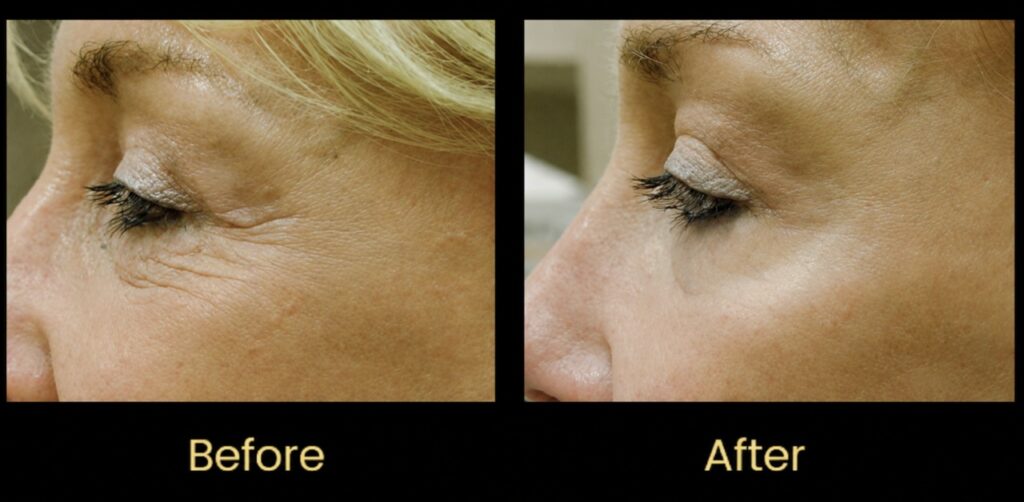
Recovery occurs gradually rather than all at once.
Days 1 Through 7
Redness, swelling, peeling, and sensitivity are common. Many patients schedule treatment when they can spend several days away from work or social commitments.
Weeks 2 Through 6
The skin often appears smoother as healing progresses. Some lingering redness may remain depending on treatment intensity.
Months 2 Through 6
This is often when collagen remodeling becomes more noticeable.
Research examining fractional CO2 laser resurfacing demonstrates continued skin improvement beyond the initial healing period as collagen production and tissue remodeling progress.
Results vary based on age, skin condition, treatment settings, and adherence to aftercare instructions.
Understanding potential risks is an important part of making an informed treatment decision.
Risks, Side Effects, and Safety Points to Know
Like any cosmetic procedure, CO2 laser resurfacing carries potential risks.
Common temporary side effects include:
- Redness
- Swelling
- Peeling
- Tenderness
- Temporary sensitivity
Potential complications may include:
- Hyperpigmentation
- Hypopigmentation
- Infection
- Acne flare-ups
- Herpes reactivation
- Scarring
The NCBI laser resurfacing review emphasizes that appropriate patient selection, individualized laser settings, careful aftercare, and provider experience all play important roles in minimizing complications.
Following recovery instructions closely and protecting treated skin from sun exposure are among the most important steps you can take to support safe healing.
Treatment technology matters, but so does the team guiding your care.
Why Choose CurateMD for CO2 Laser Resurfacing in Chandler, AZ?

CurateMD Skin Bar & Wellness Clinic was founded by healthcare professionals who shared a vision to create a better patient experience.
Our team values integrity, patient safety, effectiveness, and lifelong learning. We believe aesthetic treatments should support confidence while respecting each person’s unique goals and comfort level.
Many of our patients appreciate having access to a clinic that can connect skin health, aesthetics, weight management, hormone support, and wellness planning under one roof. Rather than recommending treatments based solely on trends, we focus on education, personalized recommendations, and realistic expectations.
That philosophy helps patients feel informed, supported, and confident in their decisions.
FAQs About CO2 Laser Resurfacing
1. What does CO2 laser resurfacing treat?
CO2 laser resurfacing treats wrinkles, fine lines, acne scars, rough texture, sun damage, age spots, and enlarged pores. It works by removing damaged surface skin and stimulating collagen remodeling. At CurateMD in Chandler, your provider can help determine whether traditional CO2 resurfacing or a CoolPeel-style approach fits your goals.
2. How long is the recovery after CO2 laser resurfacing?
CO2 laser resurfacing recovery often takes about 7 to 10 days of visible healing, though redness can last longer. Downtime depends on treatment intensity, skin type, aftercare, and whether a lighter CoolPeel-style treatment or a deeper resurfacing treatment is used.
3. Is CO2 laser resurfacing safe for darker skin tones?
CO2 laser resurfacing may be appropriate for some darker skin tones, but it requires careful evaluation because pigment changes are a higher risk. Customized settings, pre-treatment planning, and strict sun protection are important. A consultation in Chandler can help determine the safest option for your skin.
4. How many CO2 laser resurfacing treatments will I need?
Some patients see meaningful improvement after one stronger CO2 laser resurfacing treatment, while others benefit from a series of lighter treatments. The right number depends on acne scarring, wrinkles, sun damage, skin tone, and downtime preferences.
5. What should I avoid after CO2 laser skin resurfacing?
After CO2 laser skin resurfacing, avoid direct sun exposure, picking or peeling, harsh skincare, excessive heat, and unapproved active ingredients. Daily sunscreen is especially important in Chandler’s sunny climate. Follow your provider’s aftercare instructions and contact the office with unusual pain, irritation, or signs of infection.
6. Does CO2 laser resurfacing help acne scars?
Yes, CO2 laser resurfacing can help improve the appearance of acne scars by stimulating collagen remodeling and resurfacing uneven skin texture. Results vary by scar type, depth, and healing response, so a consultation is needed to determine whether CO2, RF microneedling, filler, or a combination plan is best.
7. How much does CO2 laser resurfacing cost in Chandler, AZ?
The cost of CO2 laser resurfacing in Chandler, AZ depends on the treatment area, laser intensity, number of sessions, and whether you choose a lighter CoolPeel-style treatment or deeper resurfacing. CurateMD can provide personalized pricing after evaluating your skin and goals during a consultation.
Schedule a CO2 Laser Consultation in Chandler, AZ
CO2 laser resurfacing remains one of the most effective options for improving wrinkles, sun damage, acne scarring, rough skin texture, and overall skin quality. Modern fractional CO2 laser technology allows providers to customize treatment based on individual goals, skin type, and recovery preferences.
The best outcomes begin with a detailed consultation, an honest discussion about expectations, and a treatment plan tailored to your needs.
If you’re considering CO2 laser resurfacing in Chandler, schedule a consultation with CurateMD Skin Bar & Wellness Clinic. Our team can help you explore your options, understand the recovery process, and determine whether this treatment fits your goals for healthier, more confident skin.

