
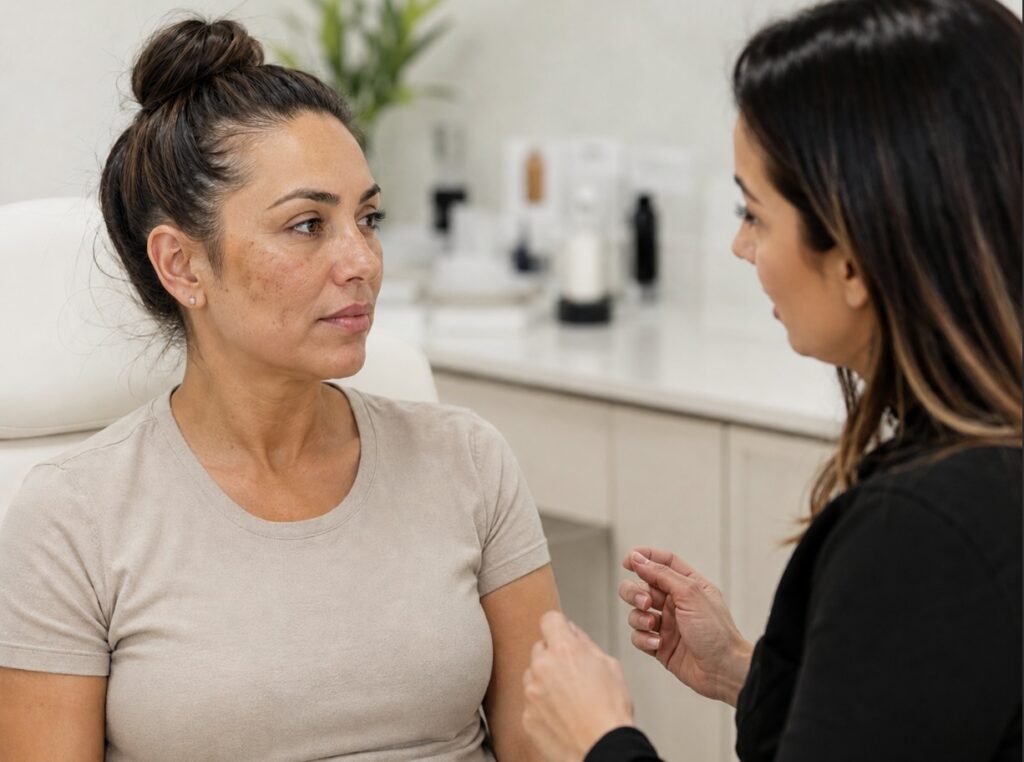
Dark spots that seem to stick around no matter what products you try can be frustrating. Many people notice patches of discoloration after acne breakouts, years of sun exposure, or hormonal changes, only to find that the marks fade very slowly. If you are dealing with hyperpigmentation on the face, understanding the cause is often the first step toward finding the right treatment.
In Chandler, AZ, year-round strong UV exposure can make facial hyperpigmentation even more common. The good news is that many forms of pigmentation can improve with a personalized treatment plan that combines professional care, appropriate skincare, and long-term prevention strategies.
At CurateMD Skin Bar & Wellness Clinic, we take a thoughtful approach to skin health. Our goal is to help you understand what is contributing to your pigmentation and create a plan that supports clearer, healthier-looking skin while fitting your lifestyle and goals.
What You’ll Learn From This Article
- What causes facial hyperpigmentation, and why does it develop
- The differences between melasma, age spots, and post-inflammatory hyperpigmentation
- How skin type can influence treatment recommendations
- Professional treatments that may help improve dark spots
- Practical ways to prevent pigmentation from becoming more noticeable
- When it makes sense to seek professional guidance
What Is Hyperpigmentation and Why Does It Happen?
Hyperpigmentation is a common skin condition that causes certain areas of the skin to become darker than the surrounding skin. This darkening occurs when the body produces excess melanin, the pigment responsible for skin color.
Melanin serves an important purpose. It helps protect the skin from ultraviolet radiation and environmental stressors. However, when melanocytes, the cells that produce melanin, become overactive, pigmentation can develop unevenly across the skin.
Facial hyperpigmentation may appear as small dark spots, larger patches of discoloration, or widespread uneven skin tone. The color can range from light brown to deep brown, depending on skin tone and the underlying cause.
Understanding Melanin and Skin Pigment
Melanin production is a natural process, but certain triggers can cause the skin to produce too much melanin in specific areas.
These triggers may include:
- Sun exposure
- Inflammation
- Hormonal changes
- Skin injuries
- Certain medications
When excess pigment accumulates, dark spots or patches become visible on the skin’s surface.
Why Facial Hyperpigmentation Is So Common
The face is exposed to environmental factors every day. Sunlight, heat, pollution, and skin irritation can all influence pigment production.
According to recent research examining facial hyperpigmentation and aesthetic treatment modalities, pigment disorders often involve multiple contributing factors rather than a single cause. This helps explain why successful treatment frequently requires a customized approach rather than a single product or procedure.
Understanding the source of discoloration helps determine which type of treatment may be most appropriate.
Common Causes of Hyperpigmentation on the Face
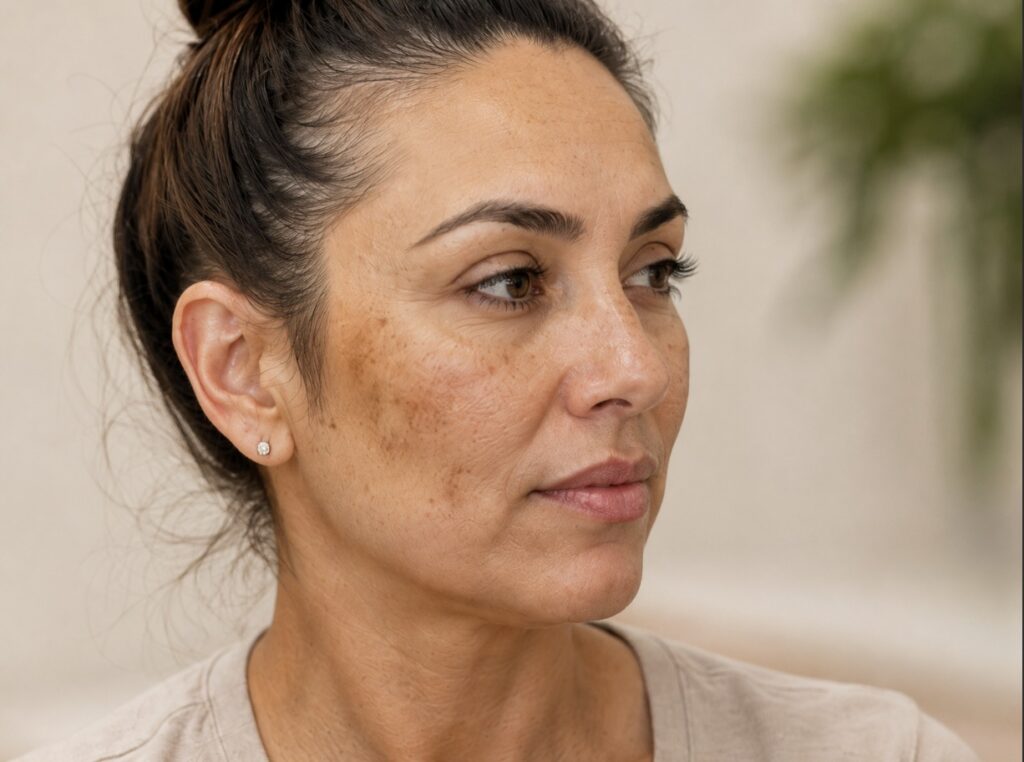
Several factors can contribute to facial hyperpigmentation. Identifying the cause is often one of the most important parts of building an effective treatment plan.
Sun Exposure and UV Damage
For many people in Chandler, sun exposure plays a major role in pigmentation changes.
Ultraviolet radiation stimulates melanin production as part of the skin’s natural defense system. Over time, repeated UV exposure can lead to:
- Sunspots
- Age spots
- Uneven pigmentation
- Dark patches
Even small amounts of daily sun exposure can contribute to discoloration, particularly when sunscreen is not used consistently.
Acne and Post-Inflammatory Hyperpigmentation
Post-inflammatory hyperpigmentation, often called PIH, develops after the skin experiences inflammation.
Acne is one of the most common triggers. After a blemish heals, the skin may leave behind a dark mark that lasts much longer than the breakout itself.
PIH is different from acne scarring. Instead of a change in skin texture, it involves excess pigment that remains after the inflammatory process has resolved.
Hormonal Changes and Melasma
Melasma is a common type of hyperpigmentation that often appears on the cheeks, forehead, upper lip, and chin.
Hormonal influences are frequently involved. Common triggers include:
- Pregnancy
- Birth control medications
- Hormone fluctuations
- Increased sun exposure
Melasma often appears as larger symmetrical patches rather than individual spots.
Skin Irritation and Injury
Any event that causes inflammation may increase melanin production.
Examples include:
- Picking at blemishes
- Aggressive exfoliation
- Burns
- Certain cosmetic procedures
- Skin irritation from products
The next step is understanding which type of pigmentation is present, since treatment recommendations often depend on the diagnosis.
The Different Types of Hyperpigmentation
Not all pigmentation concerns are the same. Several distinct conditions can cause discoloration, and each may respond differently to treatment.
Melasma
Melasma is often linked to hormonal changes and UV exposure.
Common characteristics include:
- Larger patches of discoloration
- Symmetrical distribution
- Brown or gray-brown appearance
- Frequent involvement of the cheeks and forehead
Melasma can be persistent and often requires ongoing management.
Post-Inflammatory Hyperpigmentation
PIH develops after inflammation or injury to the skin.
Common causes include:
- Acne
- Eczema
- Skin trauma
- Cosmetic treatments
These spots often fade gradually, although improvement can take months without treatment.
Sunspots and Age Spots
Sunspots, also known as solar lentigines, develop after years of cumulative UV exposure.
They tend to appear on areas that receive frequent sunlight, including the face, chest, and hands.
Less Common Pigmentation Disorders
Certain medical conditions can affect melanin production and lead to skin discoloration. If pigmentation changes appear suddenly or seem unusual, a medical evaluation may be appropriate.
Once the type of pigmentation has been identified, skin type becomes another important factor in treatment planning.
Does Skin Type Affect Hyperpigmentation?
Yes. Skin type and skin tone can significantly influence both the development of hyperpigmentation and the treatments recommended.
Why Darker Skin Tones Are More Prone to PIH
People with darker skin tones naturally have more active melanocytes. While this offers some natural protection against UV damage, it can also increase the likelihood of developing post-inflammatory hyperpigmentation.
Even minor inflammation may trigger excess pigment production.
As a result, patients with darker skin often experience longer-lasting discoloration following acne breakouts or skin irritation.
Treatment Considerations for Different Skin Types
Not every treatment option is appropriate for every skin type.
Factors that may influence treatment recommendations include:
- Current skin condition
- Severity of pigmentation
- Skin tone
- Sensitivity level
- History of pigmentation disorders
Research examining treatment approaches for facial hyperpigmentation highlights the importance of individualized treatment plans, particularly for patients with darker skin tones and melasma-prone skin.
Choosing the right treatment begins with understanding which options are available and how they work.
Effective Treatments for Hyperpigmentation on Face
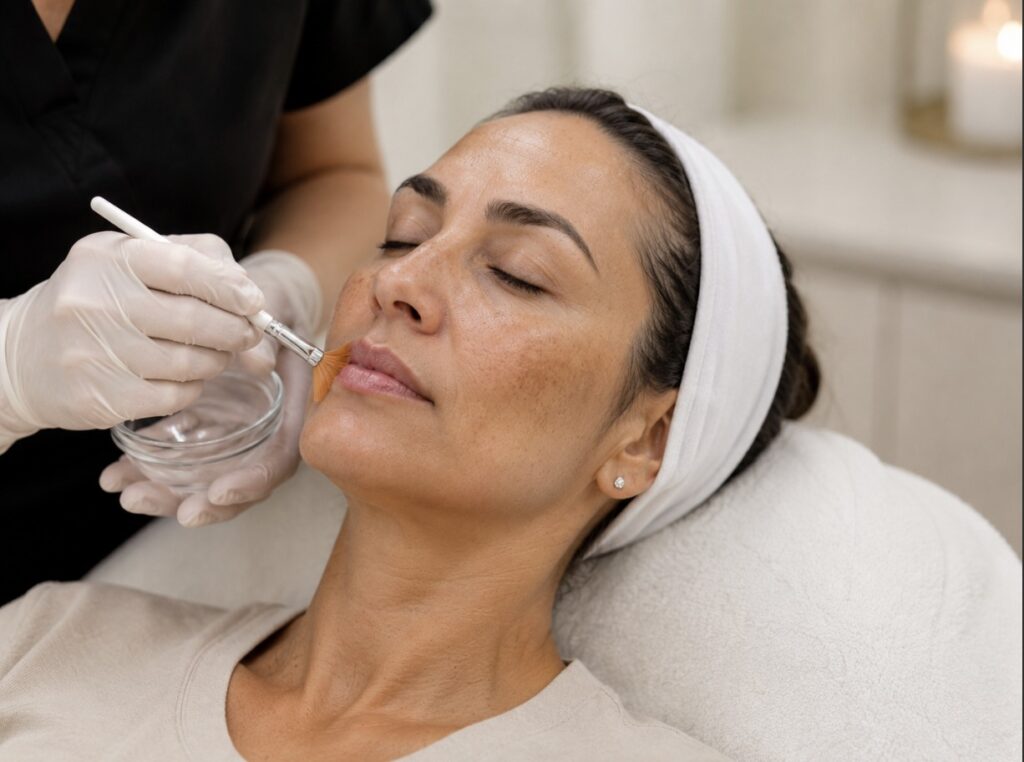
Treatment recommendations depend on the type of pigmentation, skin type, lifestyle factors, and treatment goals.
Many patients benefit from combining multiple approaches rather than relying on a single treatment.
Chemical Peels for Facial Hyperpigmentation
Chemical peels help remove damaged surface skin cells and encourage cellular turnover.
Depending on the formulation and strength, chemical peels may help improve:
- Dark spots
- Uneven pigmentation
- Skin texture
- Overall skin brightness
Treatment plans are typically tailored to the patient’s skin type and pigmentation pattern.
Laser Therapy and Advanced Treatments
Laser therapy may be recommended for certain types of pigmentation that have not responded adequately to topical treatments.
Potential options include:
- Fractional laser treatments
- Laser resurfacing procedures
- Other energy-based technologies
Because laser treatments interact directly with pigment, proper evaluation is important to minimize unwanted side effects.
Topical Treatments and Prescription Options
Topical therapies are often the starting point for treating hyperpigmentation.
Common ingredients include:
- Hydroquinone
- Tretinoin
- Tranexamic acid
- Vitamin C
- Other pigment-correcting agents
These products work in different ways to help reduce pigment production and support a more even complexion.
Results often develop gradually over several weeks or months.
Why Combination Treatments Often Work Best
Many forms of hyperpigmentation respond best when multiple treatment strategies work together.
| Treatment | Primary Purpose | Common Role in Treatment Plan |
| Medical-grade skincare | Support pigment correction | Daily use |
| Topical therapies | Reduce excess pigment production | Daily use |
| Chemical peels | Improve surface discoloration | Home care Periodic treatments |
| Laser therapy | Address stubborn pigmentation | Advanced treatment option |
| Broad-spectrum SPF | Prevent future darkening | Daily maintenance |
Research published in the National Library of Medicine suggests that combination treatment plans often produce better outcomes than a single-modality approach because they target multiple pathways involved in pigment formation.
Even the most effective treatments require ongoing maintenance, especially in sunny climates like Arizona.
Can Hyperpigmentation Be Prevented From Coming Back?
Hyperpigmentation often improves with treatment, but prevention remains an important part of maintaining results.
Daily Sunscreen Is Essential
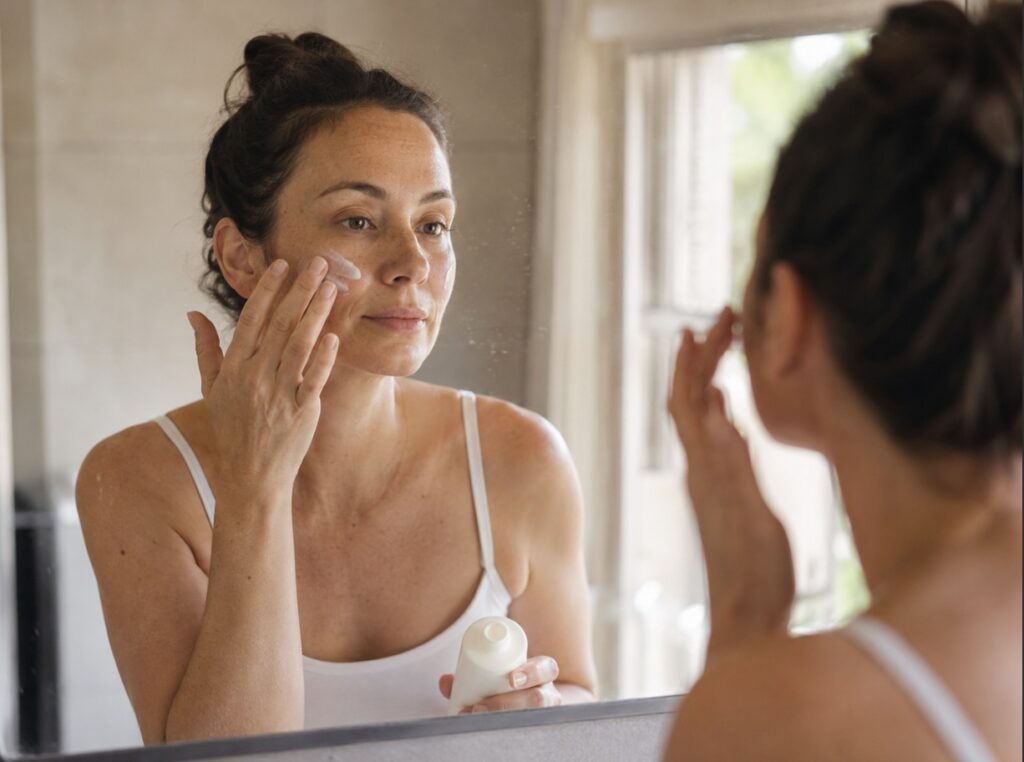
Consistent sun protection remains one of the most effective ways to prevent dark spots from becoming darker or returning after treatment.
Look for:
- Broad-spectrum protection
- SPF 30 or higher
- Daily application
- Reapplication when spending extended time outdoors
This is especially important in Chandler, where UV exposure remains high for much of the year.
Consistent Skin Care Matters
A healthy skincare routine can support treatment results and reduce unnecessary irritation.
Helpful habits include:
- Gentle cleansing
- Daily moisturization
- Avoiding harsh scrubs
- Following provider recommendations
Managing Trigger Factors
Some pigmentation concerns improve when underlying triggers are addressed.
This may include:
- Managing acne breakouts
- Avoiding skin picking
- Protecting against UV exposure
- Following a maintenance treatment plan
For many people, long-term success comes from a combination of professional treatments and healthy daily habits.
Knowing when to seek professional guidance can help prevent frustration and unnecessary trial and error.
When Should You Seek Professional Treatment for Dark Spots?
Over-the-counter products can be helpful, but they do not address every type of pigmentation.
Signs It May Be Time to Schedule an Evaluation
Professional guidance may be beneficial if:
- Dark spots persist despite treatment
- Pigmentation continues to spread
- Melasma becomes more noticeable
- Products cause irritation
- You are unsure of the underlying cause
Benefits of a Personalized Assessment
A professional consultation can help determine:
- The type of hyperpigmentation present
- Potential contributing factors
- Appropriate treatment options
- Expected treatment timelines
A clear diagnosis often leads to more effective decision-making and a more focused treatment strategy.
That personalized approach is central to how we care for patients at CurateMD Skin Bar & Wellness Clinic.
Hyperpigmentation Treatment at CurateMD Skin Bar & Wellness Clinic in Chandler
Skin concerns rarely exist in isolation. Factors such as sun exposure, hormones, skincare habits, and overall wellness can all influence the appearance of your skin.
A Personalized Approach to Skin Health
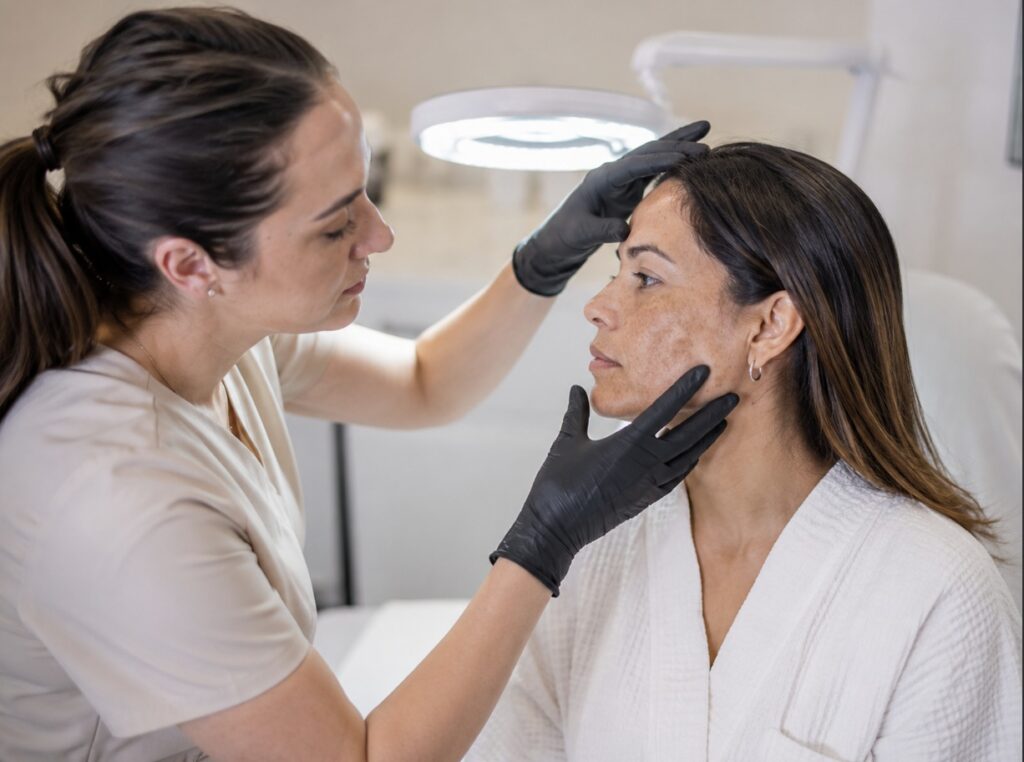
At CurateMD Skin Bar & Wellness Clinic, we begin with a thorough consultation and skin assessment.
Our team takes time to understand:
- Your skin concerns
- Treatment history
- Lifestyle factors
- Long-term goals
This helps us create recommendations that are practical, medically informed, and tailored to your needs.
Treatment Plans Designed Around Your Goals
Depending on your skin and concerns, recommendations may include:
- Medical-grade skincare
- Chemical peels
- RF microneedling
- Skin rejuvenation treatments
- Long-term maintenance strategies
Our focus is on helping patients make informed decisions with realistic expectations.
Supporting Long-Term Confidence
Many patients want more than a quick cosmetic fix. They want a trusted team that can help them maintain healthy skin over time.
That philosophy is part of why CurateMD was created. Our team combines medical experience, patient-centered care, and a commitment to ongoing education to help patients feel supported throughout their skin health journey.
Ready to Treat Hyperpigmentation in Chandler, AZ?
Hyperpigmentation on the face can develop for many reasons, including sun exposure, acne, hormonal changes, and inflammation. Identifying the underlying cause is often the first step toward choosing the most appropriate treatment.
With the right combination of professional guidance, skincare, and prevention strategies, many people see meaningful improvement in uneven pigmentation and dark spots.
If you would like to learn more about hyperpigmentation treatment options in Chandler, AZ, schedule a consultation with CurateMD Skin Bar & Wellness Clinic. Our team can help you better understand your skin concerns and develop a personalized plan that supports your confidence and long-term skin health.
Frequently Asked Questions About Hyperpigmentation on the Face
1. What is the best treatment for hyperpigmentation on face?
The best treatment depends on the type of hyperpigmentation, skin type, and underlying cause. Options may include topical therapies, chemical peels, laser treatments, medical-grade skincare, or a combination of approaches.
2. How long does hyperpigmentation on the face take to fade?
Some dark spots begin to improve within a few weeks, while others may take several months. Melasma and post-inflammatory hyperpigmentation often require ongoing treatment and consistent sun protection.
3. Can hyperpigmentation return after treatment?
Yes. Sun exposure, hormonal changes, and skin inflammation can contribute to recurrence. Daily sunscreen use and maintenance care can help reduce the likelihood of pigmentation returning.
4. Are chemical peels effective for dark spots and melasma?
Chemical peels may help improve certain forms of pigmentation by encouraging skin renewal and reducing surface discoloration. Treatment recommendations should be based on an individual assessment.
5. Is laser therapy safe for darker skin tones?
Laser treatments can be used on many skin types, but careful treatment selection is important. Patients with darker skin tones may benefit from specialized treatment plans designed to minimize the risk of unwanted pigment changes.

