
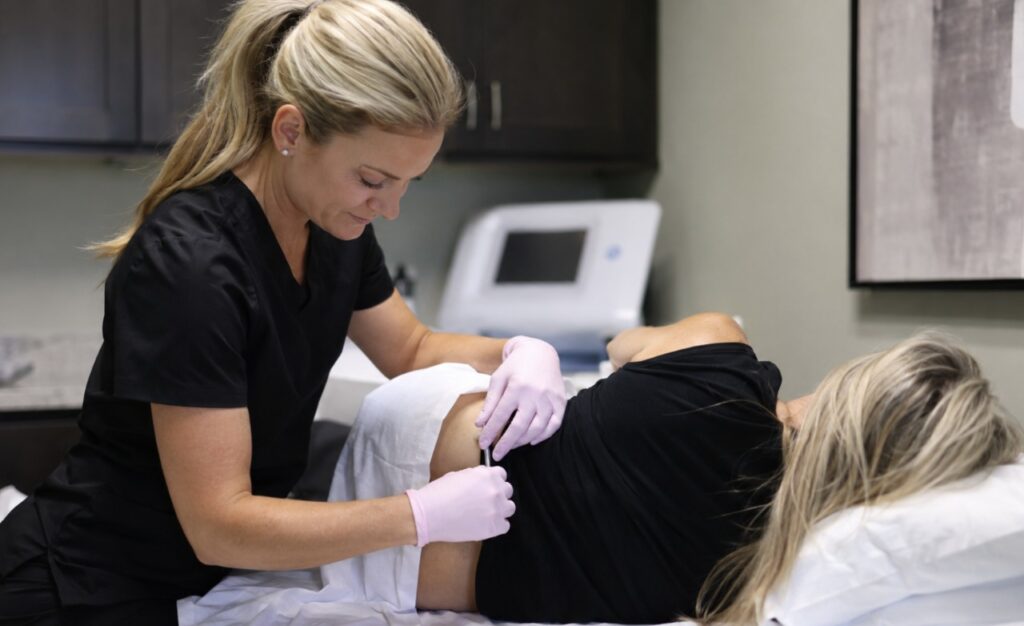
Feeling tired, disconnected, or simply not like yourself can be frustrating, especially when healthy habits no longer seem to make the difference they once did. Changes in hormone levels can affect energy, sleep, mood, weight management, libido, and overall well-being. For some women and men, bioidentical hormones may be part of the solution.
At CurateMD Skin Bar & Wellness Clinic, we take a personalized approach to care. Our goal is to help patients in Chandler, AZ understand the connection between hormones, wellness, confidence, and healthy aging so they can make informed decisions about their health.
What You’ll Learn From This Article
- What bioidentical hormones are and how they compare to other hormone therapies
- Common signs that hormone changes may be affecting daily life
- The difference between FDA-approved and compounded hormone treatments
- Potential benefits, risks, and limitations of hormone replacement therapy
- What to expect during a hormone consultation at CurateMD
- How to determine if hormone therapy may fit your wellness goals
What Are Bioidentical Hormones?

Bioidentical hormones are hormones that are chemically identical to the hormones your body naturally produces. These hormones are made in a lab and may include estrogen, progesterone, testosterone, and estradiol.
The term “bioidentical hormone” refers to the molecular structure of the hormone itself. Because these hormones closely match endogenous hormones produced by the body, they are often used as part of hormone replacement therapy for patients experiencing hormone-related symptoms.
Bioidentical hormone therapy may be available in several forms, including:
- Oral medications
- Creams
- Gels
- Patches
- Vaginal preparations
- Pellet therapy
- Other customized treatment options when appropriate
A common misconception is that bioidentical hormones are automatically safer simply because they are marketed as “natural.” Current scientific evidence does not support that assumption. Like all hormonal therapies, bioidentical hormone therapy involves potential benefits and risks that should be reviewed with a qualified healthcare provider.
Understanding how hormone levels change over time provides important context for why some people begin exploring hormone therapies in the first place.
Why Hormone Levels Can Change With Age
Hormones influence many functions throughout the body, including metabolism, sleep, reproductive health, mood regulation, and energy production.
As people age, hormone production naturally changes. Women often experience significant hormonal shifts during perimenopause and menopause. Men may also notice gradual declines in testosterone levels over time.
These changes can happen slowly, making it difficult to recognize what is causing certain symptoms.
Before considering treatment options, it helps to understand some of the most common symptoms associated with changing hormone levels.
Common Symptoms That May Be Linked to Hormone Changes
Hormonal changes can affect each person differently. Some individuals experience only mild symptoms, while others notice changes that affect their quality of life.
Common symptoms may include:
- Hot flashes
- Night sweats
- Difficulty sleeping
- Fatigue
- Mood changes
- Brain fog
- Vaginal dryness
- Reduced libido
- Changes in body composition
- Difficulty maintaining weight
According to the National Center for Biotechnology Information (NCBI), menopausal hormone therapy remains one of the most effective treatments for moderate to severe vasomotor symptoms such as hot flashes and night sweats.
Once symptoms begin affecting daily routines, many people start looking into available hormone replacement options.
BHRT vs Traditional Hormone Replacement Therapy
Many people assume bioidentical hormone therapy and traditional hormone therapy are completely separate categories. In reality, the distinction is often more nuanced.
Some FDA-approved hormone therapies contain bioidentical hormones. Others contain synthetic hormones or different formulations designed to address menopausal symptoms and hormone deficiencies.
The differences often come down to formulation, manufacturing standards, and regulatory oversight.
| Bioidentical Hormone Therapy | Traditional Hormone Therapy |
| May include FDA-approved products | Includes FDA-approved products |
| May include compounded preparations | Standardized formulations |
| Designed to match the hormones your body naturally produces | May contain bioidentical or synthetic hormones |
| Available in multiple delivery methods | Available in multiple delivery methods |
| Requires medical supervision | Requires medical supervision |
Patients frequently ask whether one option is safer than the other.
Are Bioidentical Hormones Safer or More Effective?
Research has not shown that bioidentical hormones are universally safer or more effective than FDA-approved hormone therapies.
The Endocrine Society notes that there is limited scientific evidence to support claims that compounded bioidentical hormone therapy offers superior safety or efficacy compared to FDA-approved hormone products.
The best treatment option depends on several factors, including:
- Symptoms
- Age
- Medical history
- Family history
- Treatment goals
- Individual risk factors
This is why personalized evaluation matters far more than marketing claims.
Another important topic patients often encounter during their research is compounded hormone therapy.
Compounded Bioidentical Hormones: What Patients Should Know
Compounded bioidentical hormones are customized medications prepared by compounding pharmacies.
Providers may consider compounded preparations when commercially available products do not meet a patient’s specific needs. For example, a patient may require a particular dose or formulation that is not available through FDA-approved products.
However, it’s important to understand how compounded hormones differ from FDA-approved hormone therapies.
Compounded bioidentical hormone therapy is not reviewed and approved by the U.S. Food and Drug Administration in the same way as FDA-approved medications. As a result, concerns may exist regarding:
- Dose consistency
- Product purity
- Manufacturing standards
- Quality control
- Long-term safety data
Research published through the National Institutes of Health highlights concerns about the safety and efficacy of compounded bioidentical menopausal hormone therapy and notes the need for additional scientific evidence.
Patients may also encounter claims about saliva testing for hormone dosing. Several professional medical organizations have noted that saliva hormone testing has limitations and may not provide reliable guidance for hormone treatment decisions.
Because compounded hormone therapy involves additional considerations, determining candidacy requires a thorough medical evaluation.
Who May Be a Candidate for Hormone Therapy in Chandler, AZ?

Hormone replacement therapy is not appropriate for everyone, and symptoms alone do not automatically indicate a hormone deficiency.
A comprehensive consultation allows providers to review symptoms, medical history, current medications, personal goals, and potential risk factors before recommending treatment.
Women and men may have different reasons for seeking hormone therapy, so it is helpful to consider each separately.
Hormone Therapy for Men in Chandler, AZ: Low Testosterone Symptoms
Women often seek hormone therapy during perimenopause and menopause when declining estrogen and progesterone levels contribute to symptoms.
Potential concerns may include:
- Hot flashes
- Night sweats
- Sleep disturbances
- Mood changes
- Vaginal dryness
- Changes in sexual wellness
For women who have an intact uterus, progesterone is generally recommended alongside estrogen replacement therapy to help protect the uterine lining and reduce the risk of endometrial cancer associated with unopposed estrogen use.
Hormone Therapy for Men
For men, evaluation may include discussion of testosterone therapy in Chandler, AZ when symptoms and lab results suggest low testosterone.
Common concerns include:
- Reduced energy
- Lower libido
- Mood changes
- Loss of muscle mass
- Difficulty maintaining physical performance
Symptoms alone aren’t enough to diagnose low testosterone. Providers typically consider laboratory results alongside clinical symptoms before discussing treatment options.
Once candidacy is established, the next question becomes what patients hope to gain from treatment.
Benefits Patients Often Seek From Bioidentical Hormone Therapy
Most people exploring hormone therapies are not looking for dramatic changes. They simply want to feel more like themselves again.
Depending on the individual, bioidentical hormone replacement may help support:
- Improved management of menopausal symptoms
- Better sleep quality
- More stable mood
- Improved sexual wellness
- Increased energy
- Enhanced quality of life
Response to treatment varies from person-to-person. Some patients notice meaningful improvements, while others may experience more modest changes.
Hormone therapy is not a cure-all, and it should not be viewed as a substitute for healthy lifestyle habits such as nutrition, exercise, stress management, and quality sleep.
At CurateMD, hormone therapy is often viewed as one component of a larger wellness conversation that may also include weight management, vitamin support, aesthetic treatments, and healthy aging strategies.
While benefits are important to discuss, understanding potential risks is equally important.
Safety, Risks, and Treatment Limitations
Every medical treatment involves potential risks and benefits.
Hormone therapy should always begin with a thoughtful discussion about your health history and treatment goals.
Potential considerations may include:
- Personal or family history of breast cancer
- History of blood clots
- Cardiovascular disease
- Liver conditions
- Abnormal vaginal bleeding
- Medication interactions
Research has shown that risks may vary depending on the type of hormone used, dosage, delivery method, and duration of treatment.
Certain hormone therapies may not be appropriate for individuals with specific medical conditions.
Understanding these factors helps patients make informed decisions about care.
Why Personalized Medical Guidance Matters
No two patients have the same medical history, symptoms, or goals.
Personalized care allows providers to evaluate:
- Benefits and risks
- Appropriate hormone levels
- Treatment response
- Follow-up needs
- Potential adjustments over time
A careful, evidence-based approach helps ensure that treatment decisions remain focused on safety and long-term wellness.
After understanding the risks and benefits, many patients want to know what the consultation process actually looks like.
What to Expect During a CurateMD Hormone Consultation

A hormone consultation is designed to provide answers, not pressure.
During your appointment, your provider may discuss:
- Current symptoms and concerns
- Medical history
- Current medications and supplements
- Lifestyle factors
- Personal wellness goals
- Potential treatment options
- Follow-up recommendations
The consultation may also explore how hormone health relates to other areas of wellness, including weight management, skin health, energy levels, and healthy aging.
CurateMD Skin Bar & Wellness Clinic was built on a foundation of integrity, patient safety, effectiveness, and lifelong learning. Our team believes patients deserve clear information, realistic expectations, and care plans that fit their individual goals.
The final decision about treatment should always come from a complete understanding of your options.
Choosing Bioidentical Hormones in Chandler, AZ
Finding the right provider is an important part of the hormone therapy process.
Many people searching for bioidentical hormones in Chandler, AZ are looking for more than symptom relief. They want a trusted team that listens carefully, explains options clearly, and develops a plan based on their unique needs.
At CurateMD, our approach focuses on the whole person. Hormone therapy discussions often take place alongside conversations about weight management, skin health, confidence, and long-term wellness goals.
Patients from Chandler and nearby communities often appreciate a personalized approach that prioritizes education, safety, and realistic expectations.
FAQs About Bioidentical Hormone Therapy
1. What are bioidentical hormones?
Bioidentical hormones are lab-made hormones with the same chemical structure as hormones naturally produced by the body. In bioidentical hormone replacement therapy, or BHRT, they may include estrogen, progesterone, testosterone, or estradiol depending on the patient’s symptoms, labs, medical history, and treatment goals.
2. Is bioidentical hormone therapy safer than traditional hormone therapy?
Bioidentical hormone therapy is not automatically safer or more effective than traditional hormone therapy. Safety depends on the specific hormone, dose, delivery method, medical history, risk factors, and clinical monitoring. A qualified provider should review whether FDA-approved or compounded options are appropriate.
3. What symptoms can bioidentical hormones help address?
Bioidentical hormone therapy may help manage hormone-related symptoms such as hot flashes, night sweats, poor sleep, fatigue, brain fog, vaginal dryness, mood changes, reduced libido, and body composition changes. These symptoms can have multiple causes, so CurateMD evaluates your health history, symptoms, and goals before discussing treatment options.
4. Are compounded bioidentical hormones FDA-approved?
No, compounded bioidentical hormones are not FDA-approved in the same way commercially available hormone products are. However, some FDA-approved hormone therapies do contain bioidentical hormones. Your provider can explain the differences in regulation, dose consistency, quality control, and safety considerations.
5. How do I know if bioidentical hormones are right for me?
A hormone therapy consultation is the best way to determine whether bioidentical hormones may be appropriate for you. Your provider can review your symptoms, medical history, medications, risk factors, treatment goals, and lab results before recommending a personalized plan.
6. What is the difference between BHRT and HRT?
BHRT is a type of hormone replacement therapy that uses hormones designed to match the body’s natural hormones. HRT is the broader category and may include bioidentical or non-bioidentical hormones. The best option depends on your symptoms, health history, risk factors, and provider guidance.
7. Do bioidentical hormones come in pellets?
Yes, bioidentical hormones may be available as pellets for some patients. Pellet therapy involves placing small pellets under the skin to release hormones over time. CurateMD can explain whether pellets, creams, patches, oral medications, or another option may fit your needs.
8. What are common low testosterone symptoms in men?
Common low testosterone symptoms may include reduced energy, low libido, mood changes, loss of muscle mass, difficulty with performance, and reduced mental clarity. Symptoms alone do not confirm low testosterone, so lab testing and provider evaluation are important before discussing treatment.
Schedule a Hormone Therapy Consultation in Chandler, AZ
Changes in hormone levels can affect how you feel physically, emotionally, and mentally. Fatigue, sleep disruptions, menopausal symptoms, and shifts in overall well-being can have a meaningful impact on daily life.
Bioidentical hormone therapy may be an option worth exploring for some individuals when symptoms begin affecting comfort and quality of life. The key is finding a treatment plan that aligns with your health history, goals, and personal needs.
If you’re interested in learning more about bioidentical hormones in Chandler, AZ, schedule a consultation with CurateMD Skin Bar & Wellness Clinic. Our team can help you explore your options and determine whether hormone therapy may fit into a personalized wellness plan designed around your long-term goals.

